Tips To Avoid Tooth Decay While Wearing Braces Or Aligners
2 min read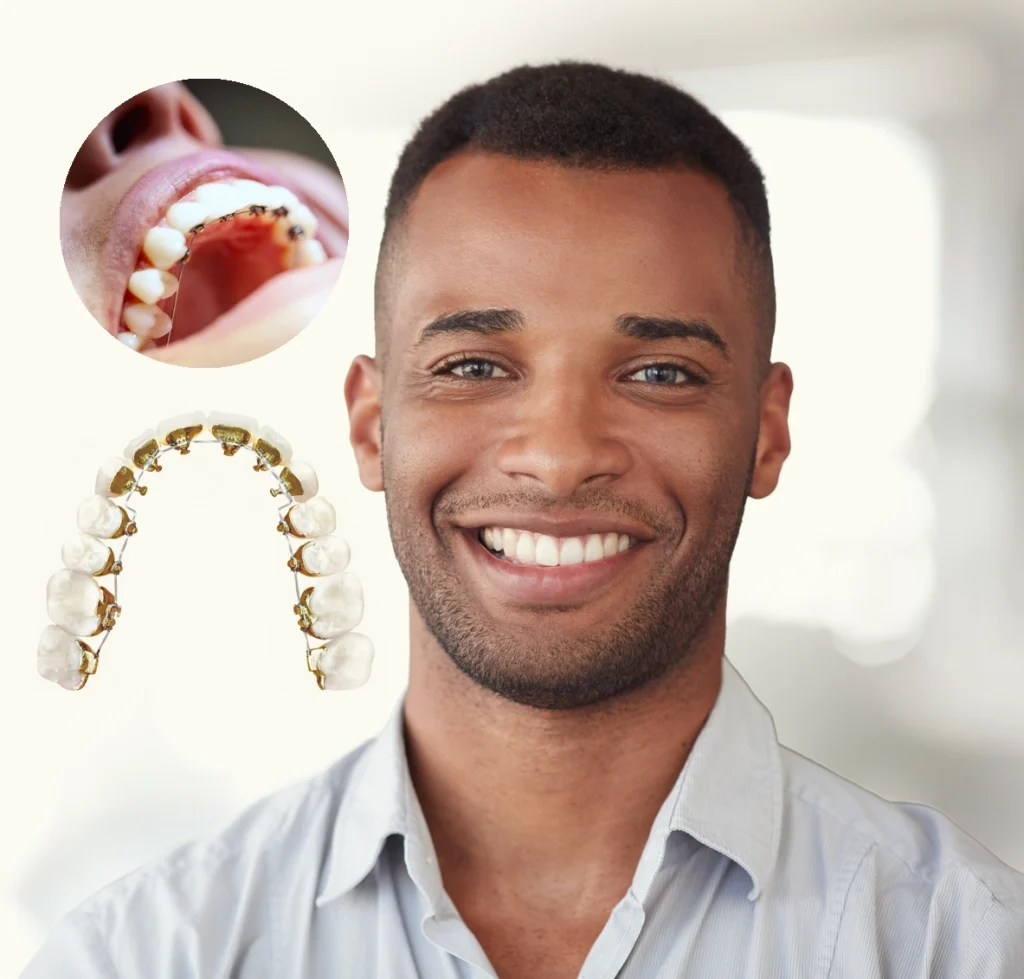
Braces and aligners do a wonderful job straightening teeth, but they also create new hiding spots for food, bacteria, and plaque that can quietly damage your enamel along the way. Getting a straighter smile should never come at the cost of a healthier one.
Oral hygiene during orthodontic treatment takes a little extra effort, but the results are absolutely worth it. Staying consistent and checking in regularly with the best orthodontist close to me keeps decay from stealing your progress.
Brush more carefully and more frequently:
Wearing braces means food gets trapped in places a quick brush simply will not reach. Brushing after every meal, not only morning and night, becomes essential during orthodontic treatment. Use a soft bristled toothbrush and take time to clean around each bracket, wire, and between the gumline. For aligner wearers, always brush before putting aligners back in to avoid sealing bacteria and food particles against the teeth.
Limit sugary and starchy foods:
Sugar feeds the bacteria responsible for tooth decay, and starchy foods break down into sugars that behave in exactly the same way. During orthodontic treatment, cutting back on sweets, fizzy drinks, and sticky snacks significantly reduces the acid attacks your enamel faces daily. Choosing water, vegetables, and low sugar snacks keeps bacteria levels in check and protects your teeth from the inside out during the entire course of treatment.
Keep your aligners clean at all times:
Dirty aligners placed back onto teeth create a direct pathway for bacteria to sit against the enamel for hours. Clean your aligners every time you remove them using a soft brush and mild soap or a dedicated aligner cleaning solution. Avoid soaking them in hot water as heat warps the plastic. Consistently clean aligners mean consistently cleaner teeth and a far lower risk of developing cavities during treatment.
Never miss a scheduled dental checkup:
Orthodontic adjustments are not the same as dental cleanings, and both are necessary during treatment. Regular visits to the dentist allow for professional cleaning of areas that home care cannot fully address. Dentists can also apply fluoride treatments, spot early signs of decay, and give guidance specific to your current stage of treatment. Staying on top of these appointments ensures your teeth come out of orthodontic treatment straight, strong, and completely healthy.